Imagine running a small bakery in a busy city. You bake delicious cakes, but only a handful of people know about your shop. You decide to promote it online. This is where SEO (Search Engine Optimization) and SMM (Social Media Marketing) come into play.
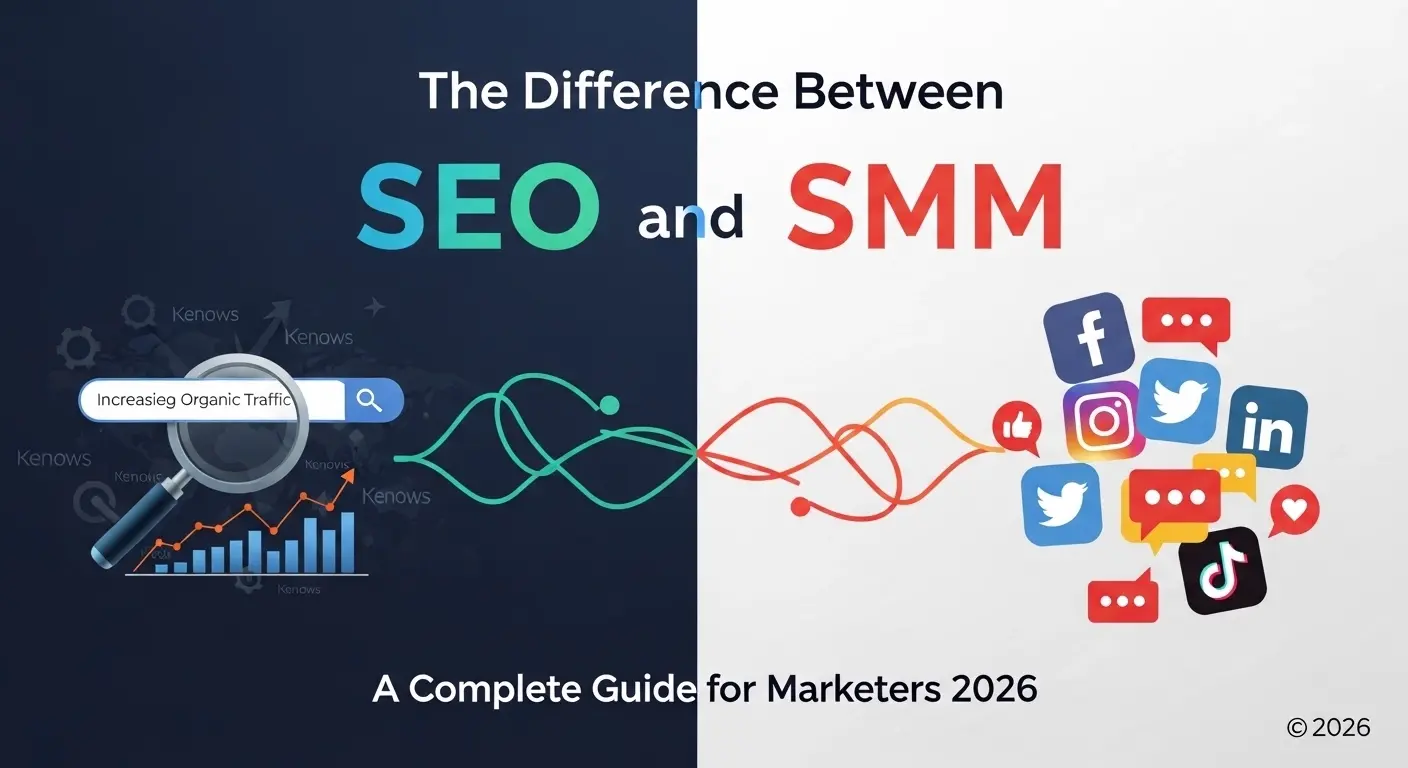
SEO focuses on improving your website’s visibility on search engines like Google, while SMM leverages platforms like Facebook, Instagram, and Twitter to reach potential customers.
Many marketers and business owners often confuse SEO and SMM, but understanding their distinct roles is essential.
In today’s digital world, knowing the difference between SEO and SMM can determine whether your content reaches the right audience or gets lost in the online crowd.
Pronunciation:
- SEO: US /ˌɛs.iːˈoʊ/ | UK /ˌes.iːˈəʊ/
- SMM: US /ˌɛs.ɛmˈɛm/ | UK /ˌes.ɛmˈɛm/
Difference Between SEO and SMM
Here are 10 key points showing how SEO and SMM differ, along with examples:
1. Purpose
- SEO: Optimizes a website to appear higher in search engine results.
- Example 1: Writing a blog with target keywords to rank on Google.
- Example 2: Improving website speed to boost search rankings.
- SMM: Promotes content directly on social media platforms.
- Example 1: Running a Facebook ad to sell cakes.
- Example 2: Sharing Instagram stories to attract followers.
2. Time to See Results
- SEO: Takes months to show significant results.
- Example 1: Organic search rankings improve over 3–6 months.
- Example 2: Link-building gradually increases website traffic.
- SMM: Offers immediate engagement and visibility.
- Example 1: A viral Instagram post can reach thousands in hours.
- Example 2: Paid LinkedIn campaigns produce instant leads.
3. Cost
- SEO: Usually low-cost but requires long-term investment.
- Example 1: Hiring an SEO specialist monthly.
- Example 2: Creating quality content regularly.
- SMM: Often requires budget for ads but can be flexible.
- Example 1: Running a $50 Facebook ad campaign.
- Example 2: Boosting a trending Instagram post.
4. Audience Targeting
- SEO: Targets users actively searching for information.
- Example 1: Someone searches “best chocolate cake near me.”
- Example 2: Organic blog traffic for “healthy cake recipes.”
- SMM: Targets based on demographics, interests, and behavior.
- Example 1: Facebook ad targeting 25–35-year-olds.
- Example 2: Instagram influencer promoting cakes to followers.
5. Longevity
- SEO: Long-lasting results when done correctly.
- Example 1: A well-ranked blog stays relevant for years.
- Example 2: Evergreen content continues driving traffic.
- SMM: Short-term impact; posts have limited lifespan.
- Example 1: A tweet trends for hours, then fades.
- Example 2: Facebook stories disappear after 24 hours.
6. Nature of Content
- SEO: Structured, keyword-focused, informative content.
- Example 1: Detailed articles with headings and meta descriptions.
- Example 2: Step-by-step guides on baking techniques.
- SMM: Engaging, creative, and visually appealing content.
- Example 1: Memes about baking mishaps.
- Example 2: Short video reels of cake decoration.
7. Analytical Approach
- SEO: Measured through traffic, rankings, and backlinks.
- Example 1: Google Analytics tracking organic visits.
- Example 2: Keyword ranking reports.
- SMM: Measured through likes, shares, comments, and impressions.
- Example 1: Instagram engagement metrics.
- Example 2: Facebook ad click-through rates.
8. Technical Skills Required
- SEO: Requires knowledge of coding, meta tags, and analytics.
- Example 1: Optimizing website load speed.
- Example 2: Using schema markup for rich snippets.
- SMM: Focuses more on creativity and communication skills.
- Example 1: Designing eye-catching social posts.
- Example 2: Writing catchy captions for Instagram.
9. Conversion Approach
- SEO: Converts through organic trust and relevance.
- Example 1: Blog readers eventually subscribe to newsletter.
- Example 2: Product page ranking leads to sales.
- SMM: Converts through engagement and persuasive campaigns.
- Example 1: Limited-time Instagram discount ads.
- Example 2: Facebook contest driving sign-ups.
10. Platform Dependence
- SEO: Relies on search engines (Google, Bing).
- Example 1: Optimizing Google My Business profile.
- Example 2: Using backlinks from authoritative sites.
- SMM: Depends on social media platforms (Facebook, Instagram, Twitter).
- Example 1: Sharing YouTube videos for views.
- Example 2: LinkedIn post engagement for professional outreach.
Nature and Behavior
- SEO: Systematic, analytical, and long-term strategy. Focuses on user intent and website optimization.
- SMM: Dynamic, creative, and interactive. Focuses on engagement, trends, and building brand personality.
Why People Are Confused
Both aim to increase online visibility and traffic. Without understanding their methods, goals, and timeframes, people assume they are interchangeable, leading to misuse.
Comparison Table: SEO vs SMM
| Feature | SEO | SMM | Similarity |
| Purpose | Improve search engine ranking | Promote via social media | Both increase online visibility |
| Timeframe | Long-term | Short-term | Both require consistency |
| Cost | Low to medium | Medium to high | Budget affects results |
| Audience Targeting | Active searchers | Social demographics | Both need audience understanding |
| Content Type | Informative, keyword-focused | Creative, engaging, visual | Both use content |
| Result Longevity | Long-lasting | Short-lived | Both impact marketing performance |
| Measurement | Analytics & traffic | Engagement & impressions | Both are measurable |
| Skills Needed | Technical & analytical | Creative & communication | Both require strategy |
| Conversion Approach | Organic trust & relevance | Engagement & persuasion | Both drive business goals |
| Platform Dependence | Search engines | Social media | Both rely on online platforms |
Which Is Better in What Situation?
SEO is better for long-term visibility, building organic trust, and attracting users searching for specific solutions. For example, a bakery blog ranking for “best chocolate cake recipe” gains visitors for years.
SMM is better for immediate engagement, promoting campaigns, or launching new products. For example, a flash sale on Instagram can instantly attract customers and increase brand interaction.
Metaphors, Similes, and Connotations
- SEO: “SEO is like planting seeds in a garden; growth takes time but lasts long.” (Positive)
- SMM: “SMM is like a fireworks show; it shines brightly but quickly fades.” (Neutral)
Idioms/Proverbs
- SEO: “Slow and steady wins the race” reflects long-term strategy.
- SMM: “Strike while the iron is hot” reflects immediate engagement.
Works in Literature
- No direct works, but digital marketing references:
- “Digital Marketing for Dummies” Ryan Deiss, 2016
- “SEO 2023” Adam Clarke, 2023
- “Social Media Marketing Workbook” Jason McDonald, 2020
Movies
No mainstream movies focus solely on SEO or SMM, but documentaries on marketing:
- “The Social Dilemma” (2020, USA) SMM impact
- “Search Engine” (2007, USA) SEO principles
FAQs:
- Can SEO and SMM be used together?
- Yes, they complement each other for maximum online visibility.
- Which is faster for driving traffic?
- SMM is faster; SEO is slower but long-lasting.
- Do both require budget?
- SEO can be low-cost; SMM often needs paid campaigns.
- Which is more reliable for sales?
- SEO builds trust, SMM boosts engagement; both aid conversions.
- Are SEO and SMM skills interchangeable?
- No, SEO is technical, SMM is creative, but marketers can learn both.
How Both Are Useful for Surroundings
SEO helps businesses appear in local searches, improving community access. SMM fosters community engagement and spreads awareness quickly, benefiting both business and society.
Final Words
Both SEO and SMM are essential in modern marketing. Understanding their differences ensures that businesses use the right strategy at the right time for maximum impact.
Conclusion:
SEO and SMM are the two pillars of online marketing, each serving unique purposes. While SEO focuses on long-term visibility through search engines, SMM drives immediate engagement via social media platforms. By understanding their differences purpose, timeframe, cost, and content style marketers can strategically choose the best approach for their goals.
Combining both can maximize reach, improve brand presence, and increase conversions. Businesses that master SEO and SMM together stay ahead in the competitive digital landscape, effectively connecting with audiences and sustaining growth over time.

I am an English content writer with more than 8 years of experience in writing about English word differences, grammar clarity, and everyday language usage. I am passionate about helping learners avoid common mistakes caused by similar-looking or confusing English words.
At diffruli.com, I write easy-to-understand guides that explain the difference between commonly confused words, spelling variations, and correct usage with real-life examples. My content is especially useful for students, writers, and non-native English speakers who want quick, accurate, and practical answers.